The Edinburgh commercial-property market, explained
A landmark retail quarter, a chronic shortage of top-grade offices and a handful of big regeneration sites. Here is how Edinburgh's commercial-property market is laid out, and why prime rents keep rising.
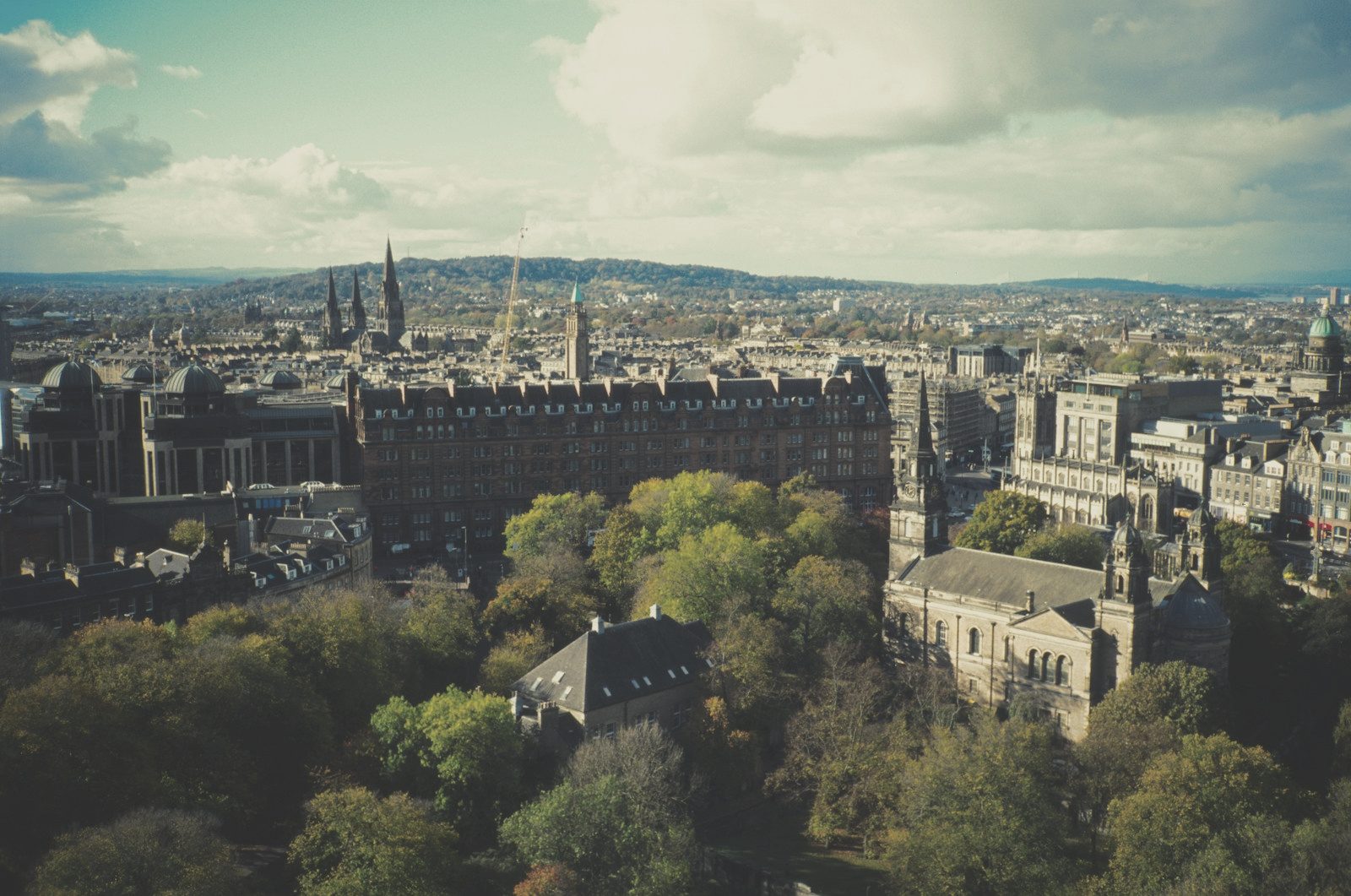
Edinburgh’s commercial-property market has an unusual shape. It is small, it is constrained by a World Heritage skyline that limits what can be built, and it has spent years short of exactly the kind of space its biggest tenants want. The result is a market where a single new office building can move the numbers, and where prime rents have kept climbing while supply has not.
This is a guide to how that market is laid out: the office districts, the big set-piece developments, and the supply squeeze that ties them together. Rent and supply figures move quarter to quarter, so each one below is attributed and dated.
The office districts
The city has three main office markets. The prime core runs through the New Town around George Street, Charlotte Square and St Andrew Square, the addresses financial and professional firms most want. Just to the south-west is the Exchange District, off Lothian Road and Morrison Street, Edinburgh’s purpose-built financial-services quarter, masterplanned in the 1990s by the architect Terry Farrell and now holding more than two million square feet of large open-plan offices. Further out, at South Gyle in the west, Edinburgh Park provides the out-of-town, car-accessible office stock that the city centre cannot.
The big developments
The most visible recent change is the St James Quarter, the roughly one-billion-pound, 1.7-million-square-foot retail, leisure, hotel and residential complex that opened on the site of the old St James Centre in June 2021, developed by a joint venture of the pension investor APG and the manager Nuveen, as Forbes reported at the time. It reshaped the east end of Princes Street and added a large slug of modern retail and leisure space to the city centre.
The market’s current focus is offices, and the answer to the shortage is taking shape at Haymarket. The roughly 350-million-pound Haymarket Edinburgh scheme, next to the station and built by Qmile Group with M&G Real Estate, is adding offices, hotels and public space to the west of the centre, according to Scottish Construction Now. It has drawn major occupiers: the professional-services firm EY has said it is relocating its Edinburgh office there, and the fund manager Baillie Gifford has taken space at the development.
Other big sites are further behind. Edinburgh Park is being expanded under a masterplan by the developer Parabola into a denser, mixed-use quarter with new commercial space and hundreds of homes. At Fountainbridge, the former Fountain Brewery site to the west of the centre, the City of Edinburgh Council is backing a housing-led regeneration that will bring several hundred homes and ground-floor retail, the council has said.
The supply squeeze
The thread running through all of this is a shortage of top-grade offices. Edinburgh’s critical shortage of prime office space is set to persist, Business Insider Scotland reported, a view echoed by local agents who have pointed to an acute lack of prime Grade A stock in the city centre.
That scarcity has pushed rents up. Prime city-centre headline rents reached around £45 per square foot in the first quarter of 2024, up roughly 12.5 per cent year on year, according to figures from Cushman & Wakefield reported by Project Scotland. By early 2025, agents were reporting prime rents in the high forties of pounds per square foot and less than a year’s worth of Grade A supply left in the city centre, with few new schemes on site, according to Savills’ Edinburgh office research. When almost no new prime space is being delivered, even modest demand keeps pressure on rents.
Why it matters
For occupiers, the squeeze means higher costs and harder choices, which is part of why schemes like Haymarket matter so much: they are among the few places a large firm can find a big, modern, energy-efficient floorplate. For the city, the constraint is double-edged. It supports values and rents, but it also risks pushing growing employers to the edge of town, or out of it, if the centre cannot supply the space they need.
Property figures are perishable, and the numbers here will have moved by the time you read them, so check the current position with the sources before acting on it. But the structural story has been consistent for years: a small, supply-constrained market where the next good building is worth watching.
Sources
- Forbes: St James Quarter bucks retail trend as it opens in Edinburgh
- Scottish Construction Now: Work starts on £350m Haymarket Edinburgh development
- Insider.co.uk: Edinburgh's critical shortage of prime office space set to persist
- Project Scotland: Constrained Edinburgh office supply drives growth in prime rents (Cushman & Wakefield)
- Savills: Edinburgh Office Spotlight
- City of Edinburgh Council: Regeneration of Fountainbridge